
Review: Almost Charlie – Tomorrow’s Yesterday

Words On Music – WM33: CD Time: 42:17
Record Label Website: http://words-on-music.com/
More on this release:
http://words-on-music.com/WM33.html & http://words-on-music.com/almostcharlie.html
Artist Website: http://www.almostcharlie.com/
Available at: http://darla.com/
1) Hope Less; 2) Open Book; 3) Sandsong; 4) Man Without A Home; 5) A Nice Place To Die; 6) Tomorrow’s Yesterday; 7) Still Crazy ‘Bout You After All These Years; 8) Cummings; 9) Youth Is Wasted On The Young; 10) Undertow; 11) When Venus Surrenders
I have a broad rotation of albums, all sorts of genres (I listen to more than ambient and electro-acoustic works, despite what some might think from my reviews). Since its release in 2009, Almost Charlie’s album The Plural Of Yes (TPOY) hasn’t been too far away from my CD player. It’s a great album of songs written in the tradition of Elton John and Bernie Taupin or Burt Bacharach and Hal David, musician and lyricist working separately. In the case of Berlin’s Dirk Homuth (singer and multi-instrumentalist) and New York City’s Charlie Mason (lyricist), they still haven’t met in-person and aren’t separated by “two rooms”, but two continents and an ocean. It’s evident, however, from their work together that they communicate well, no matter what the distance.
Tomorrow’s Yesterday is the latest release, and I’m really happy that Almost Charlie has returned after three years with more beautifully crafted and skillfully recorded songs. There are familiar faces in the band: Sven Mühlbradt on bass and Pelle Hinrichsen on drums and percussion with the addition of Bert Wenndorff on piano as well as other supporting musicians.

For those unfamiliar with Almost Charlie, I find similarities to the songwriting and sound of bands like The Beautiful South, The Autumn Defense and some of the less raucous songs of the Fountains of Wayne. I’d even compare some songs to works by 10cc (either written by Eric Stewart/Graham Gouldman or Kevin Godley/Lol Creme). Similarities to the Beatles are also unmistakable (especially the voice of John Lennon with a bit of George Harrison on the track Still Crazy ‘Bout You After All These Years). There are marvelous wordplays, edges of wit and subtle metaphors in the lyrics resulting in this latest collection of musical gems.
The feeling of Tomorrow’s Yesterday is a bit more pensive and acoustic than TPOY, but there are upbeat, playful and spirited tracks too. Instrumentally, the foundation of most of the songs is guitar, bass, drums and piano, but many of the tracks are delightfully punctuated with brass, woodwinds, sitar and dobro guitar. Some of the finest moments are simply acoustic guitar and Homuth’s vocal harmonies, as on Sandsong, which is a bit melancholy and reflective. In this album there are songs of relationships, a sense of realism, but not resignation; acceptance and contentment, but also a feeling of hope as in Cummings. I also appreciate that the recording is crisp and sounds like a live performance in the studio with minimal processing. There was only one point (at the end of the last track) where the recording was sounding saturated on my equipment, but I stress this is a minimal issue.
Hope Less (a song of setting expectations) begins with acoustic guitar and harmonies and then advances into a march of sorts. This and Open Book are great examples of the smart wordplay in the lyrics, double-meanings, literary references and a deft efficiency of expression. Man Without A Home and Youth Is Wasted On The Young are ironically upbeat ruminations with shades of The Byrds (electric guitars), syncopated rhythms and are gently arranged with brass and strings respectively. A Nice Place To Die has a lively rhythm and bluegrass roots-music vibe with dobro and violin solos. Tomorrow’s Yesterday is a stark and melancholy observation on the passage of time, and perhaps more than any other track Homuth is channeling John Lennon’s voice (literally and figuratively).
Undertow (a favorite of mine) has power in its symbolism and realism; the words and music combined are indeed greater than the sum of their parts. The passage “The more I try to fight it; Its grip on me is tightened…Overwhelmed by the undertow” is about as close to perfect as it gets. The closing track When Venus Surrenders builds from a quiet beginning, and is the longest and most ambitious song on the album, similar to the spirit of The Monster and Frankenstein from TPOY with a nod, I think, to The Beatles’ Let It Be.
As The Plural of Yes was in 2009, Tomorrow’s Yesterday is one of my favorite song-albums of 2012. Perhaps next time lyrics could be included in the package, since they are such an integral part of the songs. The Homuth and Mason formula works, the chemistry is still there, and I hope they continue to write songs together and we hear much more from Almost Charlie in years to come.

MOLE – What’s The Meaning?

CD: RareNoiseRecords RNR027: 70:39
Website: http://www.rarenoiserecords.com/mole-store/whats-the-meaning-cd
Album samples: http://www.rarenoiserecords.com/jukebox/mole/wtm/
Also available at: http://darla.com/
Mole Productions at Facebook: https://www.facebook.com/MoleProductions
Tracks: 1) PB; 2) Stones; 3) Trees And The Old New Ones; 4) Flour Tortilla Variation; 5) What’s The Meaning; 6) Greenland; 7) Grass; 8) Grubenid
Spirited, funky, and at times reflective is the vibe of the debut album What’s The Meaning from the Mexican, Argentinean and American contemporary jazz quartet known as MOLE. Originally started as a duo about eight years ago, Mark Aanderud (on piano and composer, from Mexico) and Hernan Hecht (on drums, from Argentina) sought out New York guitarist David Gilmore for his diverse recording credits and touring experience with Wayne Shorter, Steve Coleman’s Five Elements and others, as well as Jorge “Luri” Molina (on bass, also from Mexico).

Mark Aanderud and Hernan Hecht
So, the music? Think food…GOOD food…Mōl-eh! The album starts quietly and mysteriously with PB. The individual ingredients are being prepared for what will become a great meal. PB develops as the quartet gradually mixes together, an exchange of themes and solos. In Stones, the drums take a powerful lead and the solos gather around. With each track the intensity of the album grows, although there are some pauses along the way. The most delightful is Trees And The Old New Ones. It has some calming shades of Metheny and Mays’ 1981 album As Falls Wichita, So Falls Wichita Falls (September Fifteenth in particular). Bowed bass and cello (played by Dorota Barova) almost mournfully open the piece. The woven piano and guitar themes echo each other throughout along with skilful and gentle percussion.

Flour Tortilla Variation has a driving drum, piano and bass opening. Solos are traded and echoed between guitar and piano, including a closing guitar solo reminiscent of Al Di Meola’s expressive work. Brooding and syncopated is the feeling at the start of the title track, What’s The Meaning? Initially, a gentle piano and drum exploration between Aanderud and Hecht (think Bill Bruford’s Earthworks), which then weaves in Gilmore’s guitar to explore with piano interludes, and builds to a closing solo by Gilmore with chops reminiscent of Carlos Santana. Hecht and Molina lay down an upbeat foundation on Greenland for Aanderud and Gilmore to vamp and solo over—it’s a spirited romp.
Greenland
Grass is a languid piano and bass pulse with a repeated piano and guitar theme and is one last pause before the last track; Grubenid gets its funk on. This is a great piece with plucky shades of Stanley Clarke. After the guitar and bass opening vamp it stomps and Aanderud and Gilmore carry the somewhat off-key main melody. Gilmore then leads the rhythm with a growling and energetic solo and Aanderud responds. Guitar and piano return to the original theme before the rhythm section fades.
Let’s hope MOLE does some touring to support this album—they’re cookin’!

****
This is a solicited review.
David Fiuczynski – Planet MicroJam
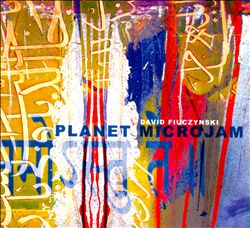
CD: RareNoiseRecords RNR025: 60:51
Website: http://www.rarenoiserecords.com/david-fiuczynski-store/planet-microjam-cd
Also available at: http://darla.com/
Artist Website: http://torsos.com/ Album Website: http://www.planetmicrojam.com/
Album samples: http://www.rarenoiserecords.com/jukebox/fiuczynski/pmj/
Tracks: 1) Micro Emperor; 2) Mystic MicroJam; 3) Meditacion; 4) Sun Song; 5) Horos Fuzivikos; 6) Drunken Longing; 7) Madoka Blue; 8) En Secreto; 9) Green Lament; 10) Apprehension; 11) Ragaku
Have you ever had a friend or acquaintance that you might see every five or ten (even fifteen) years, and then for some inexplicable reason they disappear into the ether? When you next see the friend the conversation picks-up where it left off, without skipping a beat? The intervening years are important and they might filter into the new conversation, but immediately the old connection is solid again.
The last time I saw David Fiuczynski he was with John Medeski and I am embarrassed to say that it was…eighteen years ago…it was a Lunar Crush back then. I have stayed in touch with Medeski and his compatriots, Martin and Wood, but I do not have any excuses for why I have not seen Fiuczynski in quite some time. So, after all these years, we reach again, this time on Planet MicroJam. This is where Brand X could have traveled after Moroccan Roll had they hit the teleport button to a laterally warped microtonal universe.
I will say it now: I think this is a great and colorful album. This is one of those times when the connection for me is instantaneous, even when it is challenging. The reason is the interest in exploring, pushing the edges of musicality, and at the point where it seems like it might break apart, there is a sonic magnet that pulls it all together, and that is the Fuze.
This time guitarist David Fiuczynski is microtonally jamming with Evgeny Lebedev on keyboards, David Radley on violin and Takeru Yamazaki on keyboards. Special guests also include Kenwood Dennard, Jovol Bell, Jack DeJohnette and Eric Kerr on drums with appearances by Trout (Fuze’s pup).
The album opens with Micro Emperor (based on a fragment of Beethoven’s 5th Piano Concerto) and it slides and twists immediately into stimulating fretless territory. Mystic MicroJam starts with a lazy vamping rhythm, strums on the piano soundboard with twisting guitar and keyboards syncopating. After a speedy refrain, meandering violin joins and all peregrinate and then return to edgy indolence and then solos play off each other.
Meditacion starts with playful chordal-quartertones by Fiuczynski and then drums, violin, guitar, bass and piano meander in a delightfully light-hearted banter. The piano at times harkens back to Corea’s work on Romantic Warrior. Sun Song is based on Sun Ra’s piece of the same name with polite melodic percussion and guitar on the edges and in between. As the piece continues, layers are added into a soothing fabric. Horos Fuzivikos is a spinning tarantella that does stop and then romp with a great spirit.
Horos Fuzivikos
Drunken Longing is a traditional Chinese interlude. Madoka Blue’s guitars and keyboards cascade then guitar, bass and drums have a layered conversation with strategic interjections from a treated piano—a bit like a herd of wrens in the trees. En Secreto’s trio furtively creeps and is based on a quartertone string quartet by Julian Carrillo. Green Lament is a subdued guitar solo. Apprehension starts by taking it easy, then the rhythm quickens, sound expands and dissonance appears. Takeru Yamazaki solos on violin, trading themes with guitar and piano and the structure switches between chaotic and rhythmic. There are times when John Goodsall-like phrases appear. Ragaku is a Far Eastern postscript and there are percussive stops emphasized with growls and barks by Trout.
For some, this work will be an acquired taste (quarter and micro tones can take some getting used to…for dogs too), but if you are in for a tonal adventure, I say take the leap and turn it up.
So David, let’s stay in touch more often, OK? I know; it’s entirely my fault.

Photo of Fuze by Gaspard Duroselle
***
This is a solicited review.
Squackett – Chris Squire & Steve Hackett – A Life Within A Day
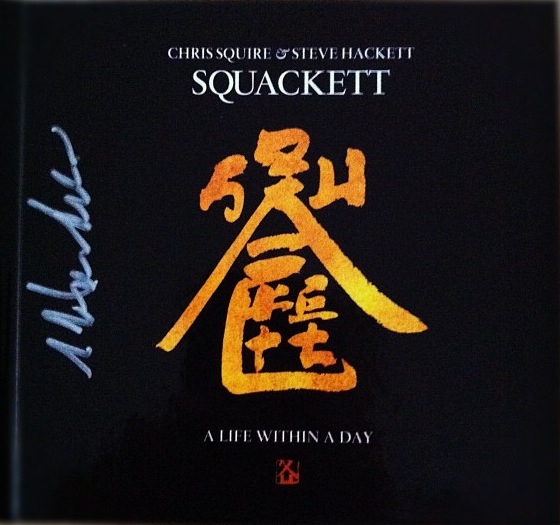
Esoteric Antenna/Cherry Red Label: CD/LP/Stereo/5.1Mix EANTCD #21002 46:20
Label Website: http://cherryred.co.uk/
Chris Squire Website: http://www.chrissquire.com/
Steve Hackett Website: http://www.hackettsongs.com/
Squackett Website: http://www.squackett.com/
Tracks: 1) A Life Within A Day; 2) Tall Ships; 3) Divided Self; 4) Aliens; 5) Sea Of Smiles; 6) The Summer Backwards; 7) Stormchaser; 8) Can’t Stop the Rain; 9) Perfect Love Song
Collaborators include: Roger King (album producer, keyboards, programming, and 5.1 Surround Sound Mix), Jeremy Stacey (drums), Amanda Lehmann (backing vocals), Christine Townsend (violin and viola), Richard Stewart (cello) and Dick Driver (double bass). Songwriting credits are Hackett/Squire/King with Nick Clabburn on Divided Self, _?_ Healy on Aliens, Gerard Johnson/Simon Sessler on Can’t Stop the Rain and Johnson on Perfect Love Song
****
PLEASE NOTE: Apparently, the Record Label has long since removed the track samples from Soundcloud, but I have since relocated the Divided Self Youtube clip.
It took a while to get to these fair shores, and I resisted listening to the previews…
Progressive Rock is by now a fairly broad genre and I am quite happy that it has seen resurgence in popularity recently, with both younger and older listeners (thanks in part to artists like Steven Wilson and Porcupine Tree). At its worst, some Prog Rock tracks can carry on far too long and collapse under the weight of their own bombast, instrumentation or blatant commercialism, and at best can yield some really inventive music, pulling from a variety of influences and periods (rock, blues, folk, classical, instrumental, vocal…). This is not at all to say that longer pieces are all bad—far from it (my lasting fondness for the Genesis works Firth of Fifth or Cinema Show support this). Since my primary experience over the years has been with the works of Steve Hackett and Genesis, my point of reference is more Hackett than with Chris Squire and his band Yes.
This has been a busy and very productive time for Steve Hackett (SH), since the release of his album Out Of The Tunnel’s Mouth in 2010. Chris Squire (CS) appeared, somewhat mysteriously, on the tracks Fire on the Moon and Nomads, and again on the 2011 SH album Beyond the Shrouded Horizon on tracks Looking For Fantasy, Catwalk, Turn This Island Earth and bonus CD tracks Four Winds: North and Enter The Night. Some may recall my recent review of SH’s album Beyond the Shrouded Horizon:
https://wajobu.com/2012/03/17/steve-hackett-beyond-the-shrouded-horizon/
The Squackett project had apparently been brewing for about four years while SH could settle personal matters and scheduling with CS. I more or less parted ways with the works of the band Yes at about the same time that Bill Bruford left for King Crimson; I remained laterally interested in their subsequent releases and followed Jon Anderson’s earlier solo career before his work got a bit too mystical for my taste (although I enjoyed much of Anderson’s collaborative work with Vangelis).
Chris Squire’s work comprises some twenty studio albums, ten live albums and numerous compilations with Yes in addition to his three solo albums and many collaborative works with Rick Wakeman and others. The Yes Album is perhaps my strongest connection to CS’s work. The song I’ve Seen All Good People, and in particular part b: All Good People (penned by Squire) and then later the driving bass line in the song Roundabout from the 1971 album Fragile.
As for Steve Hackett, in his long career, he has constantly reinvented and explored many music genres, styles and formats (having practically invented the “unplugged” album with the acoustic/instrumental Bay Of Kings in 1983). SH has also explored shorter format songwriting, having penned beautiful ballads like the early Hoping Love Will Last (from Please Don’t Touch) to the sardonic Little America (from Guitar Noir).
A Life Within A Day may be too song-oriented for diehard Prog Rock fans that desire longer instrumental works. With one exception, eight of the nine songs vary from four to six minutes in length. Squire, Hackett and Roger King (long-time SH collaborator) have produced an album of concise, well-crafted and accessible songs. For the most part, the album takes few breaks and stays sharp with minimal forays into a more (and often dreaded, in Prog Rock circles) “commercial” sound. I appreciate that the songs are for the most part NOT overly polished; there are some rough edges, quick key and rhythm changes (Jazz and Blues fills). There are enough familiar Prog Rock elements present for this album to strike a successful balance between the shorter format and instrumentation.
The songs:
A Life Within A Day: Although not as stark in instrumentation or spoken-word, the opener has an air of the SH song Darktown about it; majestic opening, sudden rhythm shifts, aggressive percussion, sharp guitar, bass solos and SH’s clustered vocals with Roger King’s sinister (and familiar) orchestral production. This is the most aggressive track on the album.
Tall Ships: A nylon string guitar opening followed by vamping guitar, bass and percussion riffs (constructed similarly to works penned by Mike Rutherford, but with sounds of Robert Fripp and Bill Nelson-like guitars) sail with this ocean-going journey. CS’s vocals coupled with a rather catchy rhythm, guitar reminiscent of Steve Winwood’s album Arc of a Diver followed by a broad vocal chorus—funky too.
Divided Self: Instantly, The Byrds Turn, Turn, Turn comes to mind—homage to the 1960s? SH sings lead vocals with an infectious rhythm, catchy and quick guitar solo chorus and melodic bass line. Following the main part of the song there is a hauntingly playful ending like that of SH’s Circus of Becoming (with whistling). Some might also notice a similarity to the Genesis song Tell Me Why. This is a great song!
Not An Official Video
Aliens: CS is the primary vocalist and there are times that this easily could be heard as a Yes track (the vocal chorus is akin to Jon Anderson’s sound); the lyrics being of future travels and science fiction. The keyboard opening is a bit timid. This also has a sound that is similar to the opening SH’s Loch Lomond (acoustic guitars sounding a bit like zithers). It remains relatively tame. Layered vocals and guitar solo fills.
Sea Of Smiles: Clustered vocal opening, melodic percussion, keyboards, bass line, up-tempo rhythm that repeats. A guitar solo coda that eventually develops into a dense almost relentless rhythm similar to Group Therapy from SH’s 1982 album Highly Strung.
The Summer Backwards: Is the shortest track on the album and it has a comfortable and reflective quality. The opening is very similar to one of my favorite vocal pieces by SH, Serpentine Song, descriptive of the scene—almost a waltz (trading three and four beats)—no pencil-grey days here though.
Stormchaser: Guitar, bass and drums open with more sinister vocal treatments; reminiscent of Duel from Till We Have Faces. It is the sound of raucous pursuit.
Can’t Stop the Rain: CS is lead vocalist, and at first the processed vocals threw me (auto-tune I find to be a bit distracting), and then the pleasantly layered vocal chorus by Amanda Lehmann washed that feeling away and the contrast seems to fit. It has a rather relaxing, but steady beat with Jazzy acoustic guitar fills. It then shifts to a more somber mood as it blends into a reflective…
Perfect Love Song: This piece seems to me to be more of a building coda to Can’t Stop the Rain than a stand-alone song. The vocals are shared by SH & CS.
****
Long distance and long-term collaborations are often tricky (compromises made and sometimes continuity lost). At times, A Life Within A Day seems a bit safe for Hackett, Squire and King aka Squackett who have been known as musical innovators throughout their careers. Yet it is a spirited gateway to the rest of their collective works and a solid introduction, I think, to a wider audience. A great change of pace, and I enjoyed many of the songs on this album, almost immediately.
Lorenzo Feliciati – Frequent Flyer

CD: RareNoiseRecords RNR023: 49:38
Record Label Website: http://www.rarenoiserecords.com/lorenzo-feliciati-store/frequent-flyer-cd
Album samples: http://www.rarenoiserecords.com/jukebox/feliciati/ff/
Artist’s Website: http://www.lorenzofeliciati.com
Italian bassist Lorenzo Feliciati is better known in European modern Jazz circles than in America and elsewhere. His previous solo albums include, Upon My Head from 2003 and Live at European Bass Day and More from 2006. More recently, he collaborated with English keyboardist Roy Powell, trumpeter Cuong Vu (who has worked with The Pat Metheny Group) and drummer Pat Mastelotto (King Crimson’s drummer in line-ups 5 through 7 and ProjeKcts) under the moniker of Naked Truth with a strong and intriguing album entitled Shizaru also on the RareNoiseRecords label.

Shizaru was crafted around no single voice—more like a musical conversation built around varying moods. For Frequent Flyer, Feliciati has not strayed from that concept, adding an even more diverse set of collaborators (many of whom are from the Italian Progressive Rock and Jazz scene). This is an album that blurs genres of Rock, Fusion, Funk, Jazz and includes the edges of Latin and Afro-Cuban sounds. Comparisons of Feliciati’s work have been made to bassists such as Jaco Pastorius and Percy Jones, but technically and stylistically, my vote is for Jeff Berlin (with some influences of Miroslav Vitous).
The subtitle of Frequent Flyer also reveals, I think, something more about the background of the music: Diary of a Traveling Musician, not only documenting the quotidian aspects of diaries, but perhaps disclosing thoughts and desires related to the foundations the work. Musically, Frequent Flyer is as diverse as the moods one might find within a written diary. Feliciati has noted that, “I wanted to do an album with all the wonderful musicians during my traveling around for gigs, festivals and sessions.” Portions of this album had actually been recorded prior to the start of the Naked Truth project.
There are many strong pieces in Frequent Flyer, some more favorable to my ears than others. Two tracks (as noted below) seem a bit underdeveloped in structure, and thus held my interest less. But as with all music, first impressions of an album are often not the lasting impressions after repeated auditions. This album has grown on me as I have listened to it in different environments (home, car or walking). What I appreciate the most is the range of explorations in addition to Feliciati’s musicianship.
****
The Fastswing Park Rules: At first I was fooled–by the mournful saxophone opening (being reminiscent of Bill Bruford’s Earthworks’ It Needn’t End In Tears), only to be lured into a dark and industrial atmosphere of expansive saxophone, bass and percussion improvisation.
Groove First: Is a very playful, funky and cheerful piece, with melodic and rhythmic shifts reminiscent of Percy Jones and Stanley Clarke and quite similar in many ways to the spirit of some of Brand X’s Moroccan Roll mixed with some Return to Forever and Weather Report. Fender Rhodes and congas provide vigorous and upbeat counterpoint throughout.
93: Is a really great and lyrical piece with dense textures and a deliberate syncopated rhythm that is reflective yet mysterious and is expansive in its arrangement (with a touch of melancholy, in instrumentation, akin to some of the work of the late Mark Linkous, AKA Sparklehorse).
Riding The Orient Express: Percussion and guitar are used to represent the presence of a train and there are breaks where the bass takes the melody. This has some of the feel of Steve Hackett’s recent work in his album Out of the Tunnel’s Mouth. The development of this piece, however, seemed a bit plodding and thin–one of the weaker pieces on the album, for me.
Footprints: Is a very inventive, and fun (yes, I said fun!) arrangement of Wayne Shorter’s piece from the album Adam’s Apple originally by the quartet of Shorter, Hancock, Workman and Chambers. It really shows Feliciati’s quick-hands, musicianship and interpretive skills quite well. In this version, Feliciati takes the Shorter sax melody on bass and is supported by spirited Brazilian-like ensemble percussion. I found a video version of this piece—a great illustration of the spirit of this track.
Footprints Video
Never Forget: Is mysterious, edgy and atmospheric. Bass and electronics punctuate as Cuong Vu’s trumpet floats between diaphanous spirit and sinister animal. This is another great track with expansive cinematic qualities.
Gabus & Ganabes: Is spunky and rhythmically driving with bass chordal and melodic drifts and violin work by Andrea Di Cesare reminiscent of Jean Luc Ponty’s mid-career works.
Perceptions: Is contemplative with a piano opening similar in spirit to some of Harold Budd’s work and forms a backbone for this meditation with fluid bass improvisation and sound samples by DJ Skizo.
The White Shadow story: Is funky, visual, electronic, buzzing and starts off brooding, then goes up-tempo with a ripping guitar solo.
Law & Order: This track is the other weaker piece on the album (and that’s my opinion only), it’s rather plodding and a bit too methodical despite the challenging bass and organ runs, which are supported by percussion and guitar. Some might see some similarities with works of Emerson Lake and Palmer.
Thela Hun Ginjeet (for those in-the-know, an anagram of Heat In The Jungle, the story of street encounters with authority): Is a driving cover from the 1981 King Crimson album Discipline. The story I’ve read is that this piece is often played by Feliciati and band mates during sound checks. I’ve always loved this KC album, and this is a great interpretation of the original with some incredible handwork by Feliciati, Gualdi and Block.
****
Frequent Flyer is an energetic, musical and diverse album to explore. It has great dynamics and a solid sound throughout. I always enjoy being pushed into new musical territories and Lorenzo Feliciati’s travels with a talented group of musicians is a great introduction to his work and influences.
****
Tracks and players:
1) The Fastswing Park Rules with Bob Mintzer (saxes) and Lucrezio de Seta (drums)
2) Groove First with Roy Powell (Fender Rhodes and Moog) and Paulo La Rosa (percussion)
3) 93 with Pat Mastelotto (drums) and Aidan Zammit (Wurlitzer and strings)
4) Riding The Orient Express with Pat Mastelotto (drums) and Phil Brown (guitar)
5) Footprints with Robert Gualdi, Stefano Bagnoli and Maxx Furian (drums)
6) Never Forget with Cuong Vu (trumpet), DJ Skizo (turntables) and Pier Paolo Ferroni (drums)
7) Gabus & Ganabes with Patrick Djivas (bass solo) and Andrea Di Cesare (violin)
8) Perceptions with DJ Skizo (turntables) and Pier Paolo Ferroni (drums)
9) The White Shadow story with Daniele Gottardo (guitar), DJ Skizo (turntables) and Pier Paolo Ferroni (drums)
10) Law & Order with Jose Florillo (Hammond organ) and Daniele Pomo (drums)
11) Thela Hun Ginjeet with Roberto Gualdi (drums) and Guido Block (bass, lead and backing vocals)
****
This is a solicited review.
The Dwindlers – Allegories
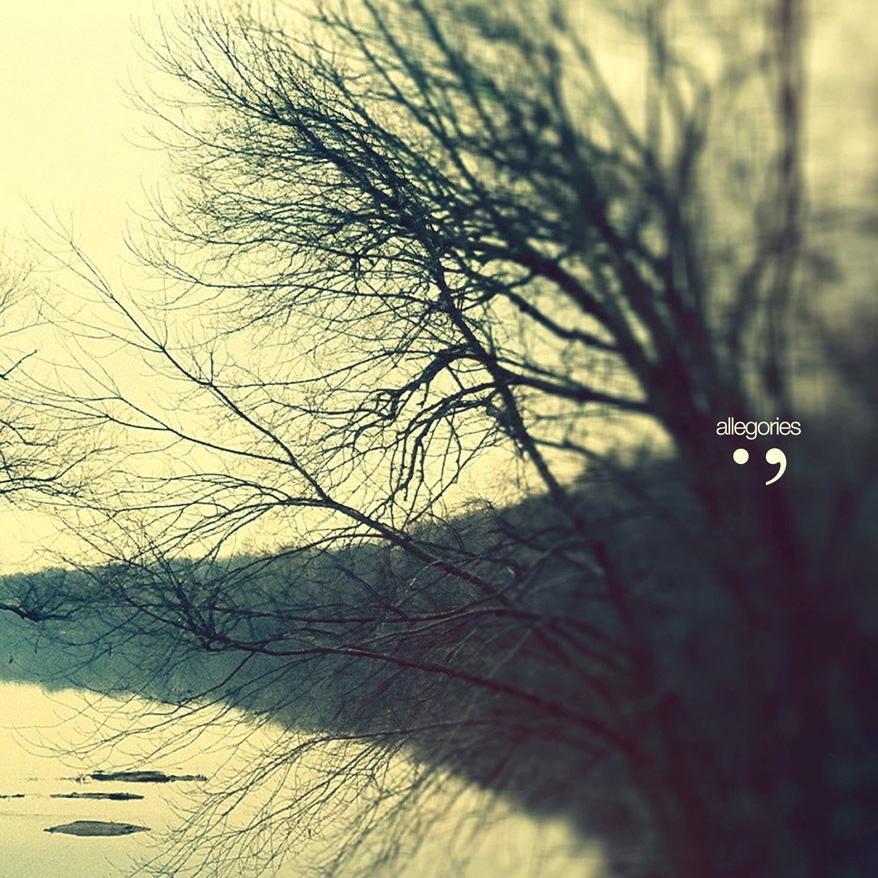
CD: #has002 Time: 29:15
Limited Edition (50 copies per edition) on-demand published with illustrated booklet, poetry & credits. Review copy is from First Edition.
Band Website: http://thedwindlers.com/
Member websites: http://www.michelleseaman.net/ and http://www.benjamindauer.net/
Heart and Soul label: Allegories
http://heartandsoullabel.blogspot.com/2012/03/has002-dwindlers-allegories-book-of_15.html
Previous Album on FeedbackLoop label: Dreams
http://feedbacklooplabel.blogspot.com/2010/11/fbl008-dwindlers-dreams.html
Tracks: 1) The Pelican and The Girl; 2) Monkey; 3) How The Ostrich Became a Girl and Her Bicycle; 4) Pickering’s Hyla; 5) Widow, Daddy, and the Wolf; 6) Peacock and the Kitty; 7) Dolphin
Spoken word recordings have existed since the advent of wax and foil cylinder recorders. In the 1920s as Jazz was developing as a musical genre, poets were exploring differing rhythms and styles in their works, breaking away from more traditional forms of meter and rhyme. These were the explorations of E. E. Cummings, T. S. Eliot, Jazz Poet Langston Hughes and others. Syncopated rhythms, phrases repeated, and with some poets, the rejection of traditional conventions of punctuation and manuscript.
The Dwindlers are poet Michelle Seaman and bassist composer Benjamin Dauer. Their collaboration started in 2002 in Chicago and they now create their work in the southeastern US. Their first album was the digitally released “Dreams” on the FeedbackLoop Label #FbL 008.
Allegories combines instrumental Jazz with poetry and includes printed poems (of tracks 1, 2, 3, 5, 6 and 7) with illustrations by Seaman and instrumentation (I assume) by Dauer. It’s a very interesting and challenging album and I find the approach to be quite refreshing! It is a relatively short recording, spanning between a long EP and a full-length CD. Subjects relate to fauna, instincts, desire, observations, phobias and inner monologues (without being self-indulgent). The printed poems appear to be a framework for the apparently improvised recorded performances (might there be further improvisations during a live performance?).
As Jazz music is about listening, sharing, improvising, and responding, poetry can be used as another instrument or voice in an ensemble for counterpoint or support. Beat Generation writers expanded on this, like Jack Kerouac who was sometimes accompanied with improvised music during poetry readings (composer David Amram was known to sit-in and jam piano or bongos during readings). Jazz and Jazz Poetry has also been about activism and in the 1970s Gil Scott-Heron emerged (being influenced by Hughes) as a powerful voice in topical and confrontational spoken-word Soul, Jazz & Blues. Scott-Heron (also a rap music pioneer) greatly influenced later hip-hop groups like Public Enemy.
Other artists have continued to explore the spoken-word with a variety of music and multi-media artists influences: Jim Morrison and The Doors (described as “electric poets”), Laurie Anderson, David Byrne, Harold Budd (as on his 1991 album By The Dawn’s Early Light), and more recently the 2011 collaboration of Brian Eno and poet Rick Holland on their album Drums Between The Bells, and the growling reflections of Leonard Cohen on his 2012 album Old Ideas.
The voices of Allegories are sultry with occasional interplay of the technically descriptive. There are changing points of view and perspectives—seeing through another’s eyes (not necessarily human). The way the words are phrased against the music; they sometimes transform into layered double-entendres. The often-hypnotic and stark instrumentation punctuates the spaces between the words with a foundation of acoustic bass, layered electronics and percussion, adding to the tension and release.
The Pelican and the Girl starts with a shimmering veil and then plays between female and male voices and further heightens an implied sexual tension as descriptions shift from bird to woman and back. There are points where the words lure one into an imagined scene only to be returned to a stark lesson on natural history. The drums and bass during Monkey are reminiscent of Morello & Wright’s vibe on Take Five (from the album Time Out) and voice, although monotone; is similar to the interplay of Desmond and Brubeck. Pickering’s Hyla is an instrumental break and sounds akin to a forest at the vernal pools at dusk. The second half of the album is more layered, electronic and ambient after a sensuous acoustic “theme and response” bass introduction to Widow, Daddy and the Wolf. Peacock and the Kitty and Dolphin gently pulse with Seaman’s voice stroking fur, feather and flowing through water.
Allegories is a provocative and engaging album of poetry—vivid and shifting with very musical, alluring and technical Jazz counterpoint. The recording has a welcomed softness that does not compromise the clarity. It would certainly be suitable as background music (and would likely pique the curiosity of a roomful of listeners), but I found it best played at the level of a live performance to fully appreciate it.
The Pelican and the Girl (and two others) – The Dwindlers
*************
This is a solicited review.
Chad Wackerman – Dreams Nightmares And Improvisations (DNAI)

CD: CWCD5: 53:24
Website: http://www.chadwackerman.com/
Album samples: http://www.chadwackerman.com/album.html
Available at: http://www.cdbaby.com/cd/chadwackerman2
Tracks: 1) Glass Lullaby; 2) A New Day; 3) Bent Bayou; 4) Star Gazing; 5) Edith Street; 6) The Fifth; 7) Waterways; 8) The Billows; 9) Monsieur Vintage; 10) Rapid Eye Movement; 11) Brain Funk; 12) Spontaneous Story; 13) Two For Ya; 14) Invisible
Chad Wackerman is a gracious host and shares willingly (including authorship). Although he starts his album with a mellifluous and spacious solo percussion track, he really has nothing to prove—no pyrotechnic drumming meltdowns required. He has collaborated with and provided support for the best: Frank Zappa, Allan Holdsworth, James Taylor, and many others as a session musician. He has toured with his own Chad Wackerman Trio (Doug Lunn, bass and Mike Miller, guitar) as well as conducts drum clinics. Chad has chops, but doesn’t feel the need to shove it to the front of the mix.
On “DNAI”, the album players include: Chad (drums and percussion), Allan Holdsworth (guitars, Synthax & Starr Z-Board), Jim Cox (keyboards) and Jimmy Johnson (bass). This is Chad’s fifth solo album, others include: Forty Reasons (1991), The View (1993), Scream (2000) and Legs Eleven (2004).
What I’ve always appreciated about Chad’s work (having seen him perform live a few times) is that he is technically precise, versatile, quick-handed, and uses varied dynamics with aplomb. Some might rush out to buy this album as another Allan Holdsworth trio album, but that’s not at all what this album is. Aside from his solo pieces, Chad either trios as an equal with Holdsworth and Johnson or Cox and Johnson, and one duo piece with Cox. This album displays a variety of styles from Funk, hard-driving Fusion, mellow instrumental Jazz, and brooding Progressive.
Chad provides a solid backbone for the trios and punctuates each piece with deftly placed accents including tone and color often missing from percussionists who play purely for speed and to impress. Wackerman’s work is energetic yet not overpowering to his trio-mates, and this is evident in tracks like “A New Day” where the percussion introduces Holdsworth’s broad chordal backdrop and is followed by Johnson’s steady bass and Holdsworth’s Synthax solo with synchopated off-beat fills by Wackerman. I don’t find the Synthax to be nearly as expressive (melodically) as Holdsworth’s guitar solos, but that’s a matter of taste, I suppose. “Star Gazing” is a far better piece featuring Holdsworth’s Synthax—broader fabric of sound.
Some pieces begin with a drum solo, such as “Edith Street”, but again Wackerman moves quickly aside for his trio players’ contributions. One nice aspect to this album is that it does display a wider variety of guitar sounds from Holdsworth and Cox’s keyboards add edginess, depth and an even broader sound. The album hits its stride with “The Fifth”, which starts solidly and languidly moves through a variety of textures and fills on percussion, guitar and bass—a really fantastic piece written by Wackerman with lyrical solos by Johnson and Holdsworth. “Waterways” is a floating tonal exploration. “The Billows”, another self-penned has more of the classic sound and feel of so many works that Wackerman-Holdsworth-Johnson have recorded previously. It also includes a brief and effective drum solo. Solo drums return on “Rapid Eye Movement” and great care has been taken with how the drums and cymbals are mic-ed, it’s a very spatial mix, befitting the title, and again, not overly flashy. “Brain Funk” has a visceral organ sound provided by Cox and this is a piece where Chad drives the beat—it has a great feel as does “Two For Ya”. To close the album with a subtlety I appreciate, “Invisible” is a suspended arhythmic other-worldly exploration.
This is an excellent album. It’s well-recorded and engineered across two studios and a really pleasurable listening experience.
Review: Michael Franks – Time Together

CD – Shanachie 5189 – Sleeping Gypsy Music – June 2011
http://www.shanachie.com/ & http://michaelfranks.com/
1) Now That the Summer’s Here, 2) One Day in St. Tropez, 3) Summer in New York, 4) Mice, 5) Charlie Chan in Egypt, 6) I’d Rather Be Happy Than Right, 7) Time Together, 8) Samba Blue, 9) My Heart Said Wow, 10) If I Could Make September Stay, 11) Feathers From an Angel’s Wing
****
“Why must the present…Turn to past…So fast? The disappearing now…” from the song “Time Together”
****
This is long overdue, but better late than never…
While not always the case, some of the best songwriters, filmmakers and artists (in my opinion) have a solid foundation in literature and writing—having the ability to clearly express thoughts and emotions, regardless of the medium. I think it is also true that one’s own work is improved by knowing limitations and collaborating with others. Michael Franks’ work is a prime example of this, being a writer of finely crafted songs that tell stories, many of which include a variety of arrangement techniques brilliantly suited to a given song.
In his teen years in California he discovered poetry, picked up a guitar, and went on to study English at UCLA while learning independently about and listening to music: Brubeck, Getz, Gilberto, Jobim and Davis, among many others. For a time he wrote songs as a freelancer, and I learned only recently that his works appeared in films including Zandy’s Bride (starring Liv Ullmann and Gene Hackman). Others recorded his earlier songs and in 1973 he released an eponymous work (on Brut Records…my original copy long ago worn out) that was later reissued as “Previously Unavailable”.
I first became familiar with Franks’ work after he had relocated from California to New York when a friend recommended that I purchase “Burchfield Nines” (released in 1978). From there I went back to his first three albums “Michael Franks”, “The Art of Tea” (known best for “Popsicle Toes”) and “Sleeping Gypsy”. In total, Franks has released seventeen separate studio albums and there have been a variety of reissues and compilations including a 1980 live album “Michael Franks with Crossfire Live”. Most of his work has been recorded with Warner/Reprise (1975 through 1995), one release on Windham Hill in 1999 “Barefoot On The Beach”, 2003’s “Watching The Snow” on Rhino (then Koch Records) and “Rendezvous in Rio” on Koch Records in 2006.
Throughout his career, aside from Franks’ songwriting and singing (with his almost whispering mellow vocals), also of interest to me has been the variety of musicians, producers and arrangers he has collaborated with—a group of incredibly talented musicians and vocalists, too many to list here such as, Joe Sample, Larry Carlton, Wilton Felder, Astrud Gilberto, Peggy Lee, the Yellowjackets, the Brecker brothers, and producer/arrangers such as, Russell Ferrante, Jimmy Haslip, Matt Pierson, Jeff Lorber, Tommy LiPuma, John Simon, Rob Mounsey, Walter Becker, Chuck Loeb, Charles Blenzig, Mark Egan, and (my favorites) Gil Goldstein and Ben Sidran.
And mysteriously deposited throughout his albums have been songs from a (perhaps forever…waiting patiently) forthcoming Broadway musical “Noa Noa” based on the life of artist Paul Gauguin who spent time in the 1890s in Tahiti and wrote a journal of the same name. Many contemporary artists of the same period appear in the songs, like Vincent Van Gogh. Franks’ work ranges from acoustic to electric Jazz contemporary vocals, some funk and fusion (like with Jeff Lorber) to work that skims the edges of pop vocals (“Your Secret’s Safe With Me” from the album “Skin Dive”). Much of his most successful work has skillful wordplay, innuendo and humor (like “When Sly Calls” from 1983’s “Passionfruit”), but his most haunting and beautiful are my favorites like his duet with Peggy Lee (one of her last recorded works) “You Were Meant For Me”, exquisitely arranged by Ben Sidran.
With some minor exceptions, the album “Time Together” instantly became a favorite of mine this past summer. “Now That Summer’s Here” and “Summer In New York” setting an upbeat mood for a delightfully mellow summer, as Franks can do so well. Will we ever know if “One Day in St. Tropez” is fact or fiction?—a story of hitchhiking in France in 1963, narrator picked-up by Brigitte Bardot in a Jaguar XKE; the poetry and timing in this is light-hearted, romantic and the fantasy of it all, like a dream. “Mice” is a delightfully humorous statement on how perhaps the “lower” species can teach humanity about better behavior. For the first time (as far as I know), Franks dipped his toe into politics with “Charlie Chan in Egypt” reporting on the tragic state of affairs America found itself in as a result of recent military incursions. The album continues with other memories and romances of summers past as in “Samba Blue” and subtle advice on keeping things positive in “I’d Rather Be Happy Than Right”. Then the melancholy of summer, drawing to a close, as expressed in “If I Could Make September Stay”. My favorite of all 11 songs is the tender and loving tribute to the Franks family’s departed (rescue) dachshund Flora in the title track “Time Together” (Franks being a devoted animal lover and supporter of various animal rescue organizations). In this, Gil Goldstein’s arrangement is just stunning and a perfect complement to the lyrics and sentiments being expressed.
Here it is: Time Together:
Michaels Franks’ voice and music certainly are not for every listener, but I think that this is one of his best albums since 1993’s “Dragonfly Summer” or 1995’s “Abandoned Garden”. An album for any season, and especially for a gloomy and chilly winter morning as it is, as I write this…
In Rotation
Various albums are in rotation here at the moment, with some “classical” recordings (Bernard Herrmann, Aaron Copland and a Karajan rehearsal) on the way from an auction I recently bid on at Polyphony:
http://www.polyphonyrecordings.com/
Printed and online catalogs become available (every two or three months) and Lawrence Jones (the proprietor of Polyphony) conducts auctions as he has since 1978 (reel-to-reel tapes, LPs, books and other items). The recordings are each graded for condition (as well as the covers) and auditioned by Larry, so one can rest assured that they arrive as described and carefully packaged. Larry has many rare items and often entire recording collections become available, like a recent, almost complete collection of Camden label LPs, here:
http://www.polyphonyrecordings.com/camden_gallery.php
******
Before anyone thinks I’m listening only to ambient music these days, here’s a brief overview of things moving between turntables and CD players:
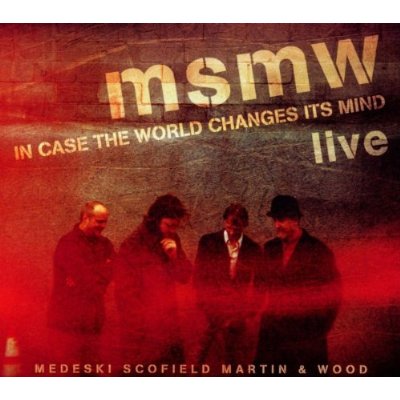
Medeski Scofield Martin & Wood – In Case The World Changes Its Mind (Live) – fabulous recording!
Van Der Graaf Generator – A Grounding In Numbers – It’s surprisingly good…and gritty.
Drums Between The Bells – Brian Eno and Rick Holland – The piece “Glitch” is remarkable, among others.
Nicholas Szczepanik – Ante Algo Azul – A twelve part suite of recordings along with artwork, custom sleeves and poetry that I am delving into now, fascinating.
Steve Wilson – Grace For Drowning – Excellent
Carolina Chocolate Drops – Luminescent Orchestrii (10″ 4 song vinyl EP)
Elizabeth Fraser – Moses (12″ vinyl EP) – I miss her voice from the days of Cocteau Twins
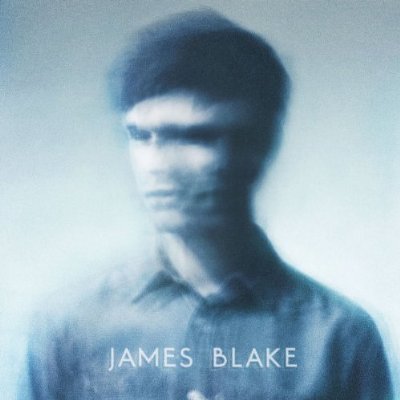
James Blake – his first eponymous double vinyl LP–really interesting and a (dynamically) challenging recording of great depth. With thanks to my son for getting this for me.
The Black Keys – El Camino – kicking some rock and roll and blues butt.
Yellow Birds – The Color
Fountains of Wayne – Sky Full of Holes – More finely crafted songs.
Tom Waits – Bad As Me – This album just rips.
Wire – Chairs Missing (revisiting a great album from 1978)
Montt Mardie – Skaizerkite – Really energetic songs (AKA David Olof Peter Pagmar) from Sweden.

The Bruford Tapes – From 1979, a reissued 2 channel FM broadcast by Bill Bruford and band.
Long Way Down – Soundtrack to the African motorcycle adventure taken by Ewan McGregor & Charley Boorman.
Leonard Cohen – Old Ideas – His 12th studio album…I’ve only heard excerpts and so far and I’m looking forward to this.
Michael Franks – Time Together (released in the summer of 2011) – some great songs from the humorous “Mice” to the heartfelt farewell to his family’s pup, Flora. Gil Goldstein’s arrangements on this are absolutely magical.
Trombone Shorty – For True – Get your funk on!
Taylor Deupree – his albums Shoals and Northern (on his 12K label), electronic/acoustic explorations, beautifully packaged.
Tomas Phillips + Mari Hiko – Prosa (on M. Ostermeier’s Tench label) – Dynamic recording and imagery.
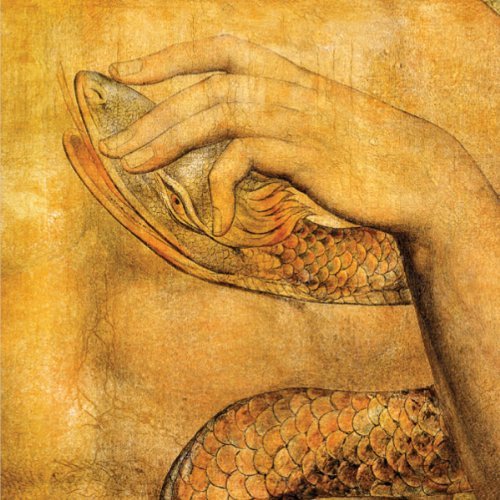
John Zorn – The Gates of Paradise – inspired by the works of William Blake with John Medeski, Kenny Wollesen, Trevor Dunn and Joey Baron – A really beautiful, lyrical and mysterious work inspired by the mystic.
Martin Schulte (Marat Shibaev) – Silent Stars, Odysseia and Treasure – Atmospheric Techno
bvdub – Then – House, Techno, experimental and ambient
There just isn’t enough time in the day (nor money in the music budget). Anyone else have suggestions?

 wajobu